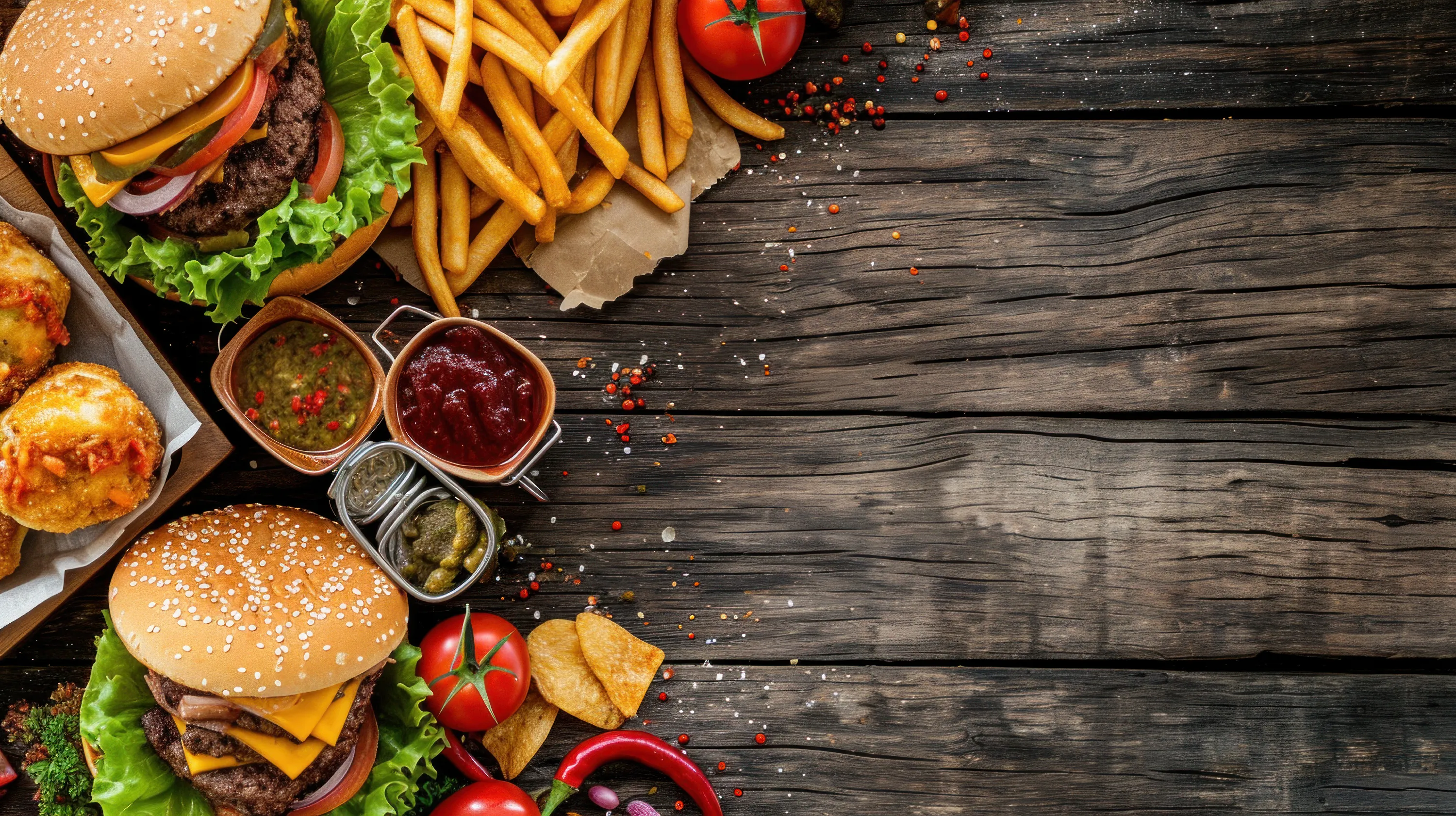
Missoula's Griz Game Food Frenzy: Football Feast or Economic Exploitation?
Missoula, Montana - When the University of Montana Grizzlies take the field against their arch-rivals, the Montana State Bobcats, the entire community transforms. Washington-Grizzly Stadium becomes a sea of black and silver, while downtown Missoula erupts into a 48-hour celebration that generates over $12 million in economic activity annually. But beneath the tailgating tents and victory parades lies a contentious debate: Is rivalry week a golden opportunity that elevates local food businesses, or a predatory cash grab that exploits restaurants and gouges fans?
The Rivalry Week Economic Engine
Missoula's transformation during Cat-Griz weekend is nothing short of remarkable. According to a 2024 University of Montana economic impact study:
- Food and beverage sales increase 340% on game day compared to a typical Saturday
- Hotel occupancy reaches 98% with rates doubling from $129 to $289 per night
- Restaurant reservations require 6-8 week advance booking for popular downtown establishments
- Local food businesses generate $8.2 million in additional revenue during rivalry weekend
"Game day isn't just about football—it's our biggest economic event of the year," explains Missoula Chamber of Commerce Director Sarah Rodriguez. "Families come from across Montana, Idaho, and beyond. They stay in our hotels, eat at our restaurants, and shop in our stores. It's pure economic stimulus."
The Restaurant Exploitation Debate
But the economic windfall comes at a steep price for local establishments. Restaurant owners report being forced into exploitative arrangements that prioritize short-term profits over long-term relationships.
"We're not partners in this—we're hostages," says Marco Santini, owner of The Depot Grill, a 15-year Missoula institution. "During rivalry week, we're required to pay exorbitant fees just to participate in tailgating events. Our regular customers get squeezed out because we have to prioritize high-volume orders for game day crowds."
The exploitation takes multiple forms:
- Mandatory catering fees ranging from $500-$2,000 just for the right to serve tailgaters
- Price gouging on staples like burgers and beer, with markups of 200-400%
- Forced overtime for kitchen staff without corresponding wage increases
- Lost regular business as establishments close early or redirect resources to game day operations
The Fan Experience Crisis
While businesses struggle, fans face their own challenges. "I drove 3 hours from Kalispell for the game, but I spent $85 on two burgers and beers that would cost $25 at home," complains Grizzlies fan Tom Whitaker, a longtime season ticket holder. "The atmosphere is electric, but the economics feel predatory. Are we funding Missoula's economy or just lining pockets?"
Data from the Montana Restaurant Association reveals the extent of price inflation:
- Average entrée price increases 85% during rivalry weekend
- Beer prices rise 150%, from $5 to $12.50 per pint
- Parking fees jump 300%, from $10 to $40 for downtown spots
- Food truck markups reach 250% for basic items like hot dogs and nachos
The Community Benefits Argument
Despite the criticism, supporters argue that rivalry week provides crucial economic support that sustains Missoula's food ecosystem year-round.
"Without football revenue, many of these restaurants wouldn't survive Montana's long winters," counters University of Montana Athletics Director Jennifer Walsh. "The game brings national attention to Missoula's food scene. We've seen new restaurants open specifically to serve game day crowds, creating jobs and expanding our culinary options."
The numbers support this perspective:
- Rivalry week generates $3.8 million in tax revenue for Missoula County
- Local employment increases 15% in the hospitality sector during game weekends
- New food businesses opened at a 40% higher rate in the five years following expanded rivalry marketing
- Missoula's restaurant scene grew 25% since the rivalry intensified in 2018
The Human Cost
Beyond economics lies the human toll on restaurant workers. "We're expected to work 16-hour days with no breaks, serving thousands of people we've never met," says Maria Sanchez, a line cook at a popular downtown eatery. "The tips are great, but the exhaustion and stress aren't worth it. I love the Griz, but this feels like we're being used."
Finding Balance
Some innovative solutions are emerging:
- Revenue sharing programs where restaurants get a percentage of event profits
- Community partnerships between the university and local businesses for mutual benefit
- Fan assistance programs offering discounted meals for low-income game attendees
- Seasonal pricing transparency requiring businesses to post regular vs. game day prices
Missoula's Rivalry Week Future
As the Cat-Griz rivalry continues to grow in national prominence, Missoula faces a critical decision: Maximize short-term economic gains while protecting local businesses and fans, or risk alienating the very community that makes rivalry week special?
The challenge becomes ensuring that game day remains a celebration for all Montanans, not just an economic extraction event.
What's your take on rivalry week economics? Should Missoula protect local businesses or embrace the revenue? Share your thoughts below.
The Lasting Impact
Missoula's rivalry week food frenzy reflects broader questions about balancing economic development with community equity. As college football rivalries intensify across America, cities must decide how to harness game day energy while protecting the businesses and fans who make it possible.
Have you experienced Missoula's rivalry week food scene? Is the economic boom worth the exploitation?
Never Miss a Meal
Get weekly updates on the best restaurant deals and hidden gems along Interstate 90.
Subscribe to Newsletter